New York Times
Our summary
One person's attempt to prepare for the unthinkable.
Read the full story at New York Times ↗🔒 subscription
Why it matters: Personal readiness for low-probability, high-impact events.
New York Times
Our summary
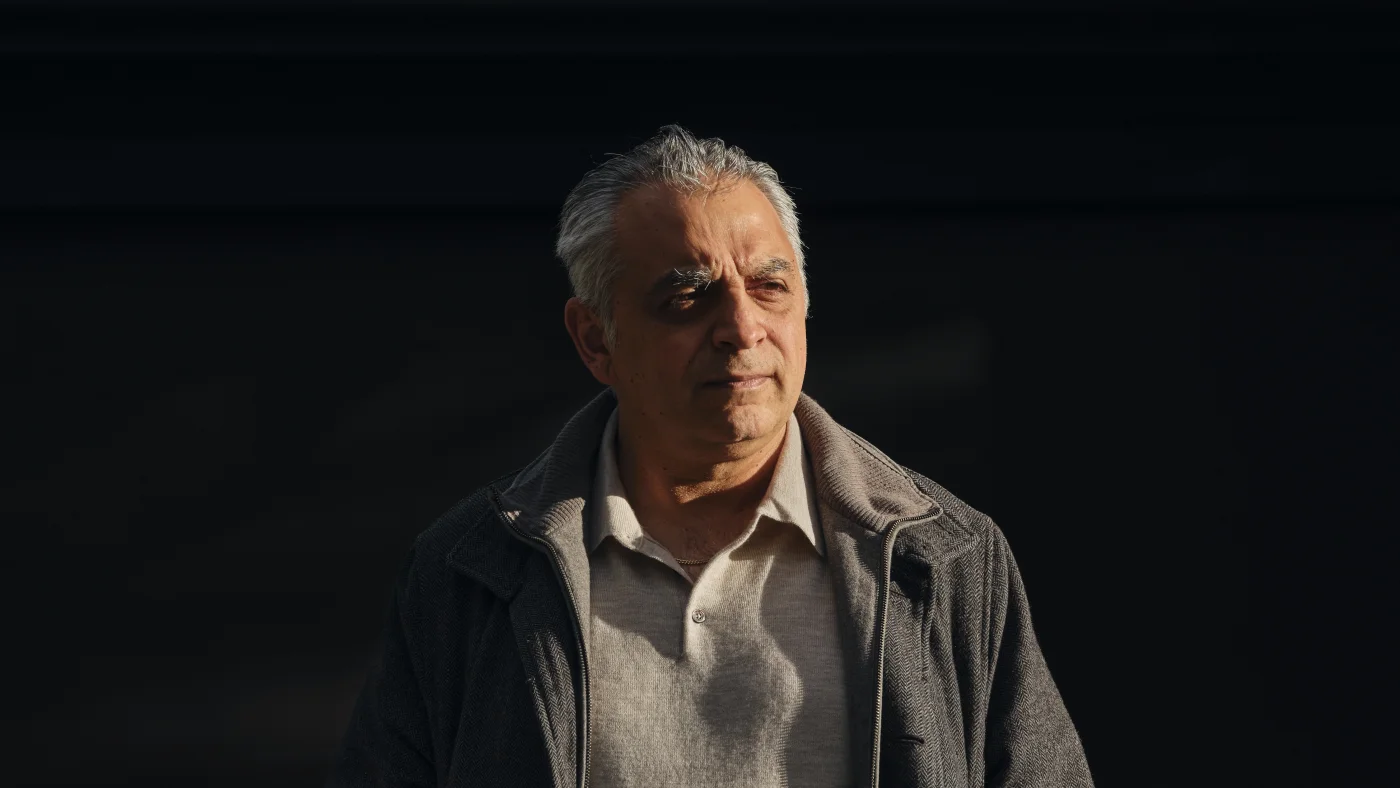
Our photographer made portraits of the event's interview subjects, including Hailey Bieber, Satya Nadella and Zohran Mamdani, after they left the stage.
Read the full story at New York Times ↗🔒 subscription
Why it matters: A visual record of the summit's featured speakers.
New York Times
Our summary
Maldon sea salt, a flaky favorite of food influencers and famous chefs and a mainstay of well-stocked pantries, had its authenticity questioned this week, raising questions about what makes artisanal products 'artisanal.'
Read the full story at New York Times ↗🔒 subscription
Why it matters: Questions over sourcing test the meaning of artisanal food labeling.
New York Times
Our summary
As new car prices rise beyond the means of most buyers, the used market has become much more important for consumers and the auto industry. A New Jersey campus is setting the price.
Read the full story at New York Times ↗🔒 subscription
Why it matters: Used vehicles now carry more weight in consumer and industry decisions.

NPR
Our summary
Psychologist Guy Winch, author of Mind Over Grind: How to Break Free When Work Hijacks Your Life, says the workday only ends when you stop thinking about work, and that ruminating about work in free time amounts to still being on the clock. He says few people spend evenings reliving moments like a joke that landed in a meeting, but instead spend hours on interruptions, dismissals, and projects they are behind on. He says such ruminative thinking can have negative effects on health, and his book shares strategies for reclaiming time, energy, and attention.
Read the full story at NPR ↗
Why it matters: Unchecked work rumination carries health costs and can be addressed.